personal injury lawyer NC: WARNING—Chiro Taping Lawsuits
personal injury lawyer NC explains what the chiropractor taping lawsuits mean for your privacy and injury claim in NC. Learn steps now—call Vasquez Law Firm.
Vasquez Law Firm
Published on December 24, 2025

personal injury lawyer NC: WARNING—Chiro Taping Lawsuits
If a medical office can record you without clear consent, what else can happen behind closed doors? This personal injury lawyer NC breakdown explains the recent chiropractor “unauthorized taping” lawsuits—and what North Carolina patients should do if they suspect they were recorded, touched, or treated without proper permission.
Quick Summary (Read This First)
What happened: Two lawsuits were filed alleging a chiropractor recorded (taped) people without authorization.
Why it matters to you: If recording or treatment happens without meaningful consent, you may have multiple claims—privacy harms, emotional distress, and (if care was improper) injury damages too.
What to do now: Preserve proof (paperwork, portal messages, signage photos), request your records, and avoid discussing details with the clinic’s insurer until you understand your rights.
What This News Means for North Carolina Residents
Why this story hits a nerve for patients
Many people assume a healthcare visit is private by default. But allegations like these—described in this news report on the unauthorized taping lawsuits—raise a basic question: did you truly consent?
For patients in North Carolina, this issue can overlap with several legal areas at once: personal injury, medical negligence, privacy/invasion of privacy, and even consumer protection concerns depending on what was promised and what actually happened.
How cases like this often come to light
In many “unauthorized recording” situations, people learn about the recording later—through a staff member, a billing note, a device seen in the room, a social media post, or a data breach. Sometimes it surfaces only after a patient complains about treatment, then notices inconsistencies in the clinic’s story.
What a personal injury lawyer looks for first
A personal injury lawyer NC will usually start with a simple framework: (1) what consent was requested, (2) what consent was actually given, (3) what happened during the visit, and (4) what harm followed—physical, emotional, financial, or reputational.
KEY TAKEAWAY:
In clinic-recording cases, the biggest fight is often over consent. A signature on a stack of forms is not always the same as informed permission for recording—especially in areas where patients expect privacy.
What to Do in the Next 24-48 Hours
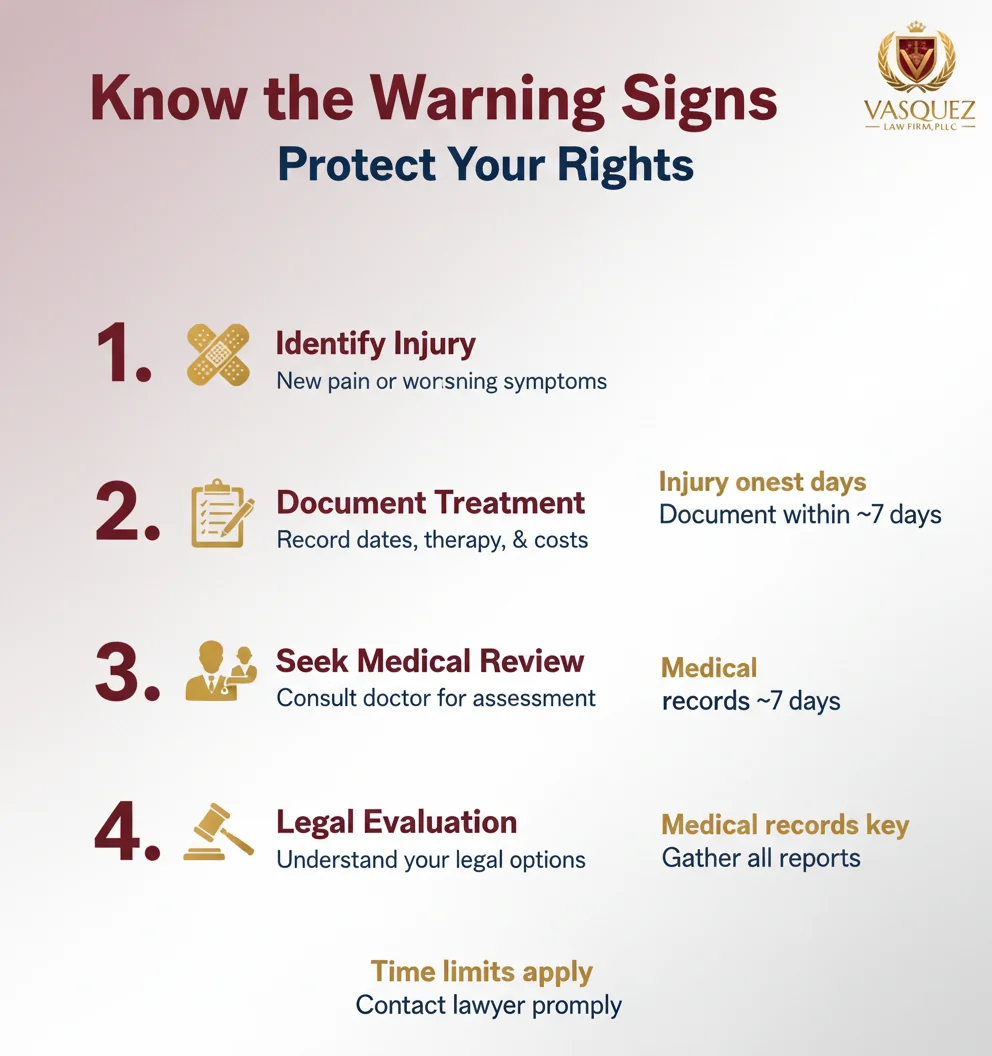
1) Stabilize the situation (privacy + health)
If you suspect you were recorded or treated in a way you did not authorize, act quickly but calmly. Your first priority is your health. If you have pain, numbness, dizziness, or worsening symptoms after chiropractic manipulation, get evaluated by an appropriate medical provider.
2) Preserve proof before it disappears
These cases can turn on details: what signage was posted, what forms were signed, what staff said, and whether video files still exist. You are not “being dramatic” by documenting—this is how you protect yourself.
3) Avoid common insurance and clinic traps
Clinics and insurers may push for quick statements, refunds, or releases. A rushed “resolution” can quietly waive important rights.
If this situation applies to you, take these steps NOW:
- Step 1: Document everything—take photos of signs in the office, copies/screenshots of portal messages, and write down dates, times, and staff names.
- Step 2: Request your complete records in writing (intake forms, consent forms, treatment notes, and billing codes).
- Step 3: Do not sign any “release,” “refund agreement,” or “no further claims” document without legal review.
- Step 4: Consult with a legal expert to understand your rights and options
Warning Signs & Red Flags to Watch For
Red flags related to consent and recording
Unauthorized recording allegations often share a pattern: vague consent language, unclear signage, and staff explanations that change over time.
Red flags related to injury or worsening symptoms
If your physical symptoms got worse after treatment (or you were pressured to continue), that can matter in a personal injury analysis—especially if proper informed consent and screening were missing.
Red flags that evidence is being managed (or hidden)
Sudden policy changes, deleted portals, or “we can’t find your file” responses are not normal when serious concerns are raised.
These are signs your case may be in jeopardy:
- You’re told “everyone signs that” but no one can show you the exact recording consent language you agreed to.
- The clinic offers a fast refund or free visits only if you sign a release or confidentiality document.
- Your chart notes don’t match what happened in the room—or your records are delayed, incomplete, or “missing.”
Seeing these signs? Vasquez Law Firm, PLLC has handled hundreds of denied claims in North Carolina. Attorney Vasquez knows the tactics insurers use. Get a free case evaluation.

Your Rights: What You CAN and CANNOT Do
Rights related to privacy and your medical information
Even when a dispute starts with “recording,” it quickly becomes a question of control: who has your data, how it was collected, and whether it was shared. Federal health privacy rules may apply in many settings, and patients can file complaints when protected health information is mishandled.
Rights related to injury claims and insurance
If you suffered a physical injury (for example, nerve symptoms after manipulation) you may be dealing with medical bills, missed work, and pressure from insurers to downplay what happened. A personal injury lawyer NC will look at both liability and damages.
Rights related to deadlines
North Carolina has strict time limits for different claims. The correct deadline depends on the legal theory (personal injury vs. medical malpractice vs. privacy-related torts). When in doubt, assume the clock is running.
YOU HAVE THE RIGHT TO:
- Ask for and obtain copies of your records (intake forms, consent forms, and treatment notes) and keep them for your own files.
- Refuse a recorded statement to an insurer until you understand how it may be used against you.
- Seek a second medical opinion if you believe treatment caused harm or your symptoms are worsening.
YOU CANNOT:
- Assume the clinic will preserve video or electronic records automatically—important files can be overwritten unless preserved.
- Miss key filing deadlines—some claims are barred forever if filed late under North Carolina law.
Vasquez Law Firm, PLLC helps North Carolina clients understand and protect their rights every day.
Documents You'll Need (Save This Checklist)
Clinic and billing documents
In unauthorized recording and injury cases, clinic paperwork often contains the key language insurers rely on (consent, arbitration, releases, and “notice” provisions).
Your evidence (the details that prove what happened)
Small items—like a photo of a sign in the hallway—can matter more than people think when the dispute becomes “they said / you said.”
Medical follow-up documents
If you sought additional care, those records help show the timing and severity of symptoms.
Gather these documents NOW (before they disappear):
- All intake and consent forms you signed (or were asked to sign digitally)
- Your complete medical records and itemized bills for related care
- Photos of office signage about recording, privacy notices, or “security cameras”
- Witness info (friend/family who attended, or anyone who heard staff statements)
- Proof of lost income (pay stubs, missed shifts, PTO records) if injuries affected work
Tip: Keep all documents organized in one folder - it makes the process much easier.
KEY TAKEAWAY:
If you believe you were recorded, time matters. Many systems overwrite video on a rolling schedule. Your best chance to preserve evidence is early.
Legal Background and Context
Which laws can apply in an “unauthorized taping” clinic case?
These situations are fact-specific. In North Carolina, possible legal routes may include:
- Personal injury / negligence: if improper care caused physical harm (pain, nerve injury, worsening condition).
- Medical malpractice concepts: when the dispute involves a healthcare provider’s standard of care and informed consent.
- Privacy-related claims: depending on where and how recording occurred, what notice was given, and whether intimate areas or sensitive care was involved.
Key North Carolina time limits (why you shouldn’t wait)
Many general personal injury claims in North Carolina must be filed within three years. (A common statute cited is N.C. Gen. Stat. § 1-52.) Medical malpractice claims can have additional timing rules, including special “repose” limitations depending on the facts.
For court procedures, filings, and county information, the North Carolina Judicial Branch is a reliable starting point.
Reporting and documentation resources
If the concern includes mishandling of health information, federal guidance on patient privacy is available through HHS HIPAA resources. If your situation also involves a crash on the way to or from care (rideshare, parking lot collision), documentation guidance can be found at the North Carolina Department of Transportation (NCDOT).
Because these cases can blend bodily injury and privacy harms, many people benefit from discussing the facts with a personal injury lawyer NC who can identify the strongest path and preserve the right evidence.
How Vasquez Law Firm, PLLC Helps North Carolina Clients Win These Cases
Experienced, practical help—without the runaround
Vasquez Law Firm, PLLC serves North Carolina residents in injury cases where the truth is disputed and the paper trail matters. Attorney Vasquez, JD, has 15 years of experience and is admitted to the North Carolina State Bar and the Florida Bar. Se Habla Español.

How we build a strong “unauthorized recording + injury” case
These claims often require fast, disciplined evidence collection. Here’s how a personal injury lawyer NC approach typically works when recording and consent are central issues:
- Step 1: We map the timeline (appointments, forms, room locations, staff names, what was said).
- Step 2: We secure the paper trail (records requests, billing codes, privacy notices, policies).
- Step 3: We evaluate liability (consent, standard of care, and whether conduct violated patient expectations of privacy).
- Step 4: We prove damages (medical costs, lost income, future treatment, and—when supported—emotional distress).
Real example (anonymized)
Real example: “A North Carolina client came to us after a clinic visit where they later learned a device may have been recording in the treatment area. They also had increased pain after the visit. We helped them preserve communications, obtain complete records, and push back against quick-release paperwork. The result was a favorable settlement that covered medical expenses and compensation for the harm caused.” — Attorney Vasquez

Frequently Asked Questions (Specific to This Situation)
Questions people ask after hearing about unauthorized taping lawsuits
1) If a chiropractor recorded me in the treatment room, is that automatically illegal in North Carolina?
Not automatically. The legal outcome depends on where the camera was, what notice was provided, what you consented to, and the setting (for example, private treatment room vs. open lobby). A personal injury lawyer NC will focus on whether consent was meaningful and whether you had a reasonable expectation of privacy in that context.
2) What if the office says “it’s just for security,” but the camera points at the treatment table?
This is a major red flag. “Security” cameras are typically aimed at entrances, registers, or hallways—not areas where patients disrobe or receive hands-on treatment. The camera placement, signage, and any recorded audio/video details can change the legal analysis.
3) Can I demand the clinic give me the recording?
You can request records, but getting the actual video may require formal legal steps depending on how the clinic classifies it and whether it still exists. Do not assume it will be kept. Preserve your proof and consider legal help quickly because many systems overwrite files.
4) What if I signed a stack of paperwork without reading it—does that count as consent to being taped?
It depends on what the forms actually say and whether the consent language was clear and specific. Courts often look at the exact wording, how it was presented, and whether a reasonable person would understand they were consenting to recording.
5) If I wasn’t physically hurt, do I still have a case?
Possibly. Some claims focus on privacy harms, emotional distress, or improper disclosure of sensitive information. Physical injury is not the only harm that can matter, but the available damages and the proof required may differ.
6) What if the chiropractor’s insurer calls me and offers a quick settlement or refund?
Be careful. Early offers can be designed to close the case before you understand the scope of harm or before evidence is preserved. Anything you sign could waive broader claims. This is a common moment when people consult a personal injury lawyer NC for a reality check.
7) Does it matter which county I’m in (Mecklenburg, Wake, Guilford, etc.)?
The underlying state laws apply across North Carolina, but local court procedures, jury tendencies, and scheduling can vary by county. For basic court information and filing locations, the North Carolina Judicial Branch site is a helpful reference.
Don't Navigate This Alone
If you're dealing with suspected unauthorized recording during treatment or injury after chiropractic care, Vasquez Law Firm, PLLC can help. With 15+ years serving North Carolina, we know what works.
Free consultation. Bilingual team. No fees unless we win.
Call Now: 1-844-967-3536
Se Habla Español - Hablamos Su Idioma
Free Legal Consultation
Discuss your case with our experienced attorneys. We're available 24/7.
Vasquez Law Firm
Legal Team
Our experienced attorneys at Vasquez Law Firm have been serving clients in North Carolina and Florida for over 20 years. We specialize in immigration, personal injury, criminal defense, workers compensation, and family law.